-
Models
-
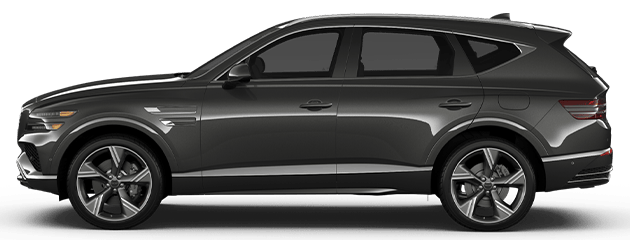
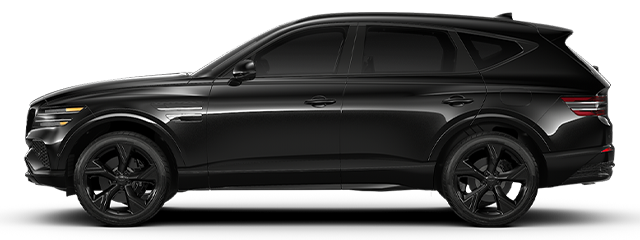
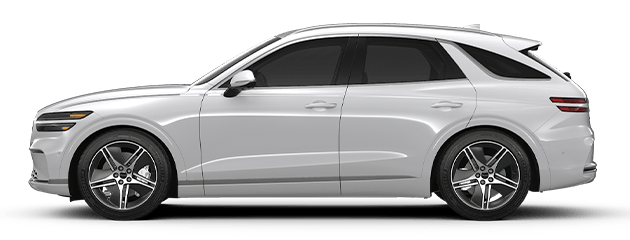
GV80 Black

-
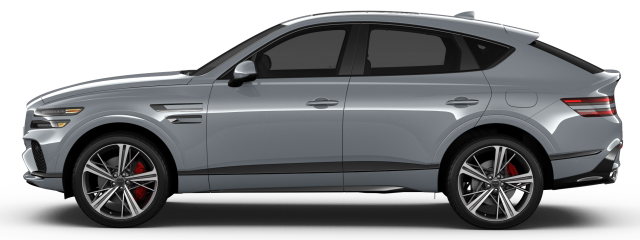
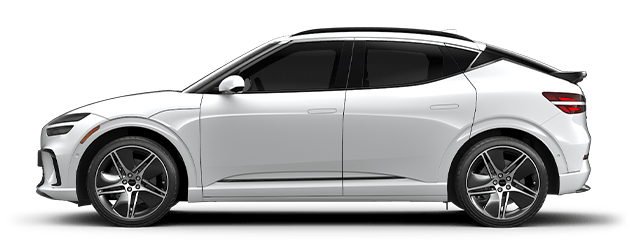
GV80 Coupe

-
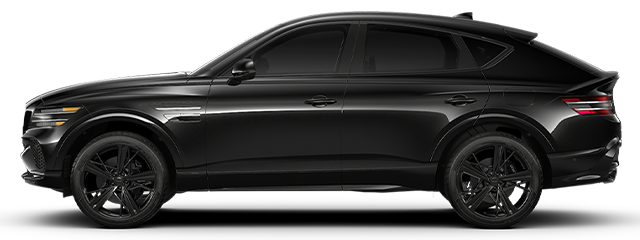
GV80 Coupe Black

-
ELECTRIFIEDGV70


-
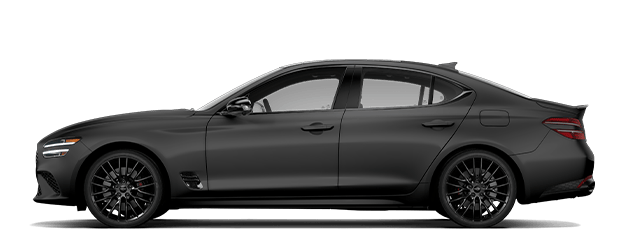
G70 Graphite

-
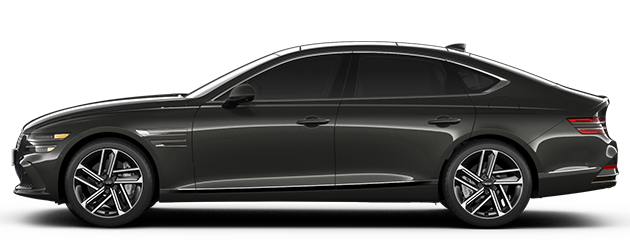
G80 Black

-
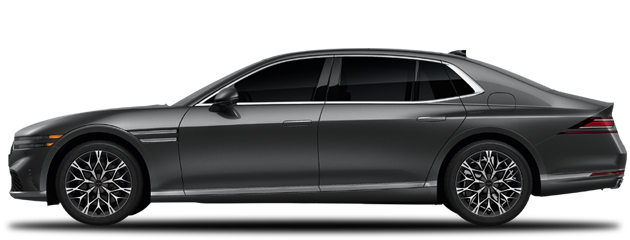
G90 Black

-
GV80 Black
-
GV80 Coupe
-
GV80 Coupe Black
-
ELECTRIFIEDGV70
-
G70 Graphite
-
G80 Black
-
G90 Black
-
ELECTRIFIEDGV70
-
G80 Black
-
G90 Black
-
GV80 Black
-
GV80 Coupe Black
-
Shopping
Shopping
Everything you need to get your hands-on Genesis experience.
Enjoy 5 years of complimentary scheduled maintenance, at home valet, and courtesy vehicle service
-
Genesis
Genesis
We strive to create the finest automobiles and related products and services for connoisseurs around the world.
Discover how the Genesis Experience resonates with those who’ve lived it
-
Owners
Owners
Everything you need to get your hands on as a Genesis owner.
Download Genesis related materials.
- Offers

























Hyundai Supply Chains Act Report
Report Under the Fighting Against Forced Labour and Child Labour in Supply Chains ActHyundai Supply Chains Act Report
Report Under the Fighting Against Forced Labour and Child Labour in Supply Chains Act
(For the fiscal year ending December 31, 2025)
INTRODUCTIONINTRODUCTION
This report is submitted jointly on behalf of Hyundai Auto Canada Corp. ("HACC") and Hyundai Motor America ("HMA"), which wholly-owns HACC (collectively, "Hyundai"), in accordance with the Fighting Against Forced Labour and Child Labour in Supply Chains Act (the "Act") for the fiscal year ending December 31, 2025.
Hyundai affirms its continued commitment to enforcing strict environmental, social, and governance standards throughout its supply chain, including to prevent and reduce the risk that forced labour or child labour is used at any step in Hyundai's supply chains.
Both HACC and HMA import and distribute vehicles and parts produced by affiliated and non-affiliated companies, including, their ultimate parent company, Hyundai Motor Company ("HMC") and other Hyundai affiliates. As importers of vehicles and parts with a limited number of sources for vehicles and vehicle parts, both HACC and HMA rely on the compliance mechanisms of their related party vendors to prevent and reduce the risk of forced labour and child labour in Hyundai's supply chains.
Structure, Activities and Supply ChainsStructure, Activities and Supply Chains
HACC is an importer and distributor of Hyundai and Genesis-branded vehicles in Canada. HACC is headquartered in Markham, Ontario. It is wholly owned by HMA. HACC primarily distributes Hyundai-branded vehicles and parts through a network of independent dealerships across Canada. HACC sells Genesis-branded vehicles through a network of independent distributors across Canada. HACC does not design or manufacture any vehicles. HMA does not produce or manufacture any vehicles, only purchasing vehicles from Hyundai and Genesis factories.
HMA is headquartered in Fountain Valley, California. HMA imports, markets, and distributes Hyundai and Genesis-branded vehicles throughout the United States, through a network of independent dealers. HMA does not distribute or sell vehicles in Canada. HMA does not have an office or operations in Canada.
HACC and HMA are both subsidiaries of HMC, which is headquartered in Seoul, Republic of Korea ("South Korea").
Supply Chains
HACC purchases the vehicles and vehicle parts that it imports and sells in Canada through four supply chains:
1. Vehicles manufactured by HMC in South Korea
2. Vehicles manufactured by Hyundai Motor Manufacturing Alabama, LLC ("HMMA"), a wholly owned subsidiary of HMA
3. Vehicles manufactured by KIA México, S.A. de C.V. ("Kia Mexico") manufactured in Mexico; and
4. Vehicle parts sold by its supplier in Canada, Mobis Parts Canada Corp. ("Mobis Parts Canada") that are purchased primarily from Mobis Parts Canada's parent company in South Korea, Hyundai Mobis.
HMA has similar sources for the vehicles and vehicle parts it sells:
1. Vehicles manufactured by HMC in South Korea
2. Vehicles manufactured by HMMA
3. Vehicles manufactured by Hyundai Motor Group Metaplant America, LLC ("HMGMA"); and
4. After sale vehicle parts and replacement parts from Mobis Parts, America, LLC (“Mobis Parts America”).
Due to the role of Mobis Parts Canada, Mobis Parts America and Hyundai Mobis in the above-described supply chains, HACC and HMA obtained information from Mobis Parts Canada regarding the supply chain due diligence policies and procedures of the Mobis companies and provide this information in this report.
Policies and Due Diligence ProcessesPolicies and Due Diligence Processes
The supply chain due diligence policies and processes applicable to HACC, HMA, HMC, HMMA, Kia Mexico, HMGMA, and the Mobis companies are described in the below sections.
HACC's Operations
HACC Internal Policies
HACC has a number of internal policies that provide for safe working environments for its employees. This includes a "Health and Safety" policy that provides the requirements for safe workplace environments for HACC employees, an "Overtime Work" policy that sets guidelines on overtime work, an "Hours of Work" policy that offers flexible schedules for better work life balance, and a "Disconnecting from Work" policy to support wellness, and minimize excessive sources of stress.
HACC's "Business Ethics and Conflict of Interest Disclosure" policy defines the standards of conduct in relationships with all stakeholders with whom HACC does business. This policy applies to all HACC employees and requires that all employees comply with both the letter and spirit of all laws, regulations and legal requirements that apply where HACC operates. HACC employees are obligated to inform themselves of the abovementioned laws and requirements that are relevant to their particular position or activities.
HACC Supplier Due Diligence Practices
As set out in further detail below, HMC's Supplier Code of Conduct requires its suppliers to conduct specific due diligence and training to ensure they do not employ forced labour and child labour. The Supplier Code of Conduct applies to the suppliers of goods that HACC sources from HMC, HMA, HMMA, and Kia Mexico. The Supplier Code of Conduct must be adhered to by all existing and prospective Hyundai Suppliers and states that suppliers should:
(1) prohibit all forms of forced and child labour in their supply chains; and
(2) ensure that they do not produce or provide to Hyundai goods, products, or materials made, in whole or in part, with forced labour.
In regards to goods purchased from Mobis Parts Canada, HACC is aware that Hyundai Mobis has developed and applied an “ESG evaluation toolkit,” and through a third party auditor, conducted multiple audits of global manufacturing facilities, which focused on identifying and eliminating any risk of forced labour in its supply chains.
Through the implementation of supplier self-assessments, Hyundai Mobis identified certain Tier 1 suppliers were considered "high-risk" and conducted on site-assessments of all suppliers to ensure that forced labour and child labour was not present at these suppliers' sites.
HACC Ethics Complaint Procedure
HACC maintains a complaint procedure for business ethics violations which is set out in its Business Ethics Policy and Conflict of Interest Disclosure. A HACC employee that believes someone at the company is violating this policy is encouraged to discuss the matter with a supervisor or Director, HR and Administration, or General Counsel and if they still have concerns or do not feel comfortable discussing this issue with any of the above individuals, may contact HACC's third party ethics reporting hotline, "Integrity Counts" by phone, fax, email, anonymous web report, or written letter. While this reporting process is available to all employees, supervisors and managers are required to report suspected violations of this ethics policy to HACC's Director, HR and Administration.
HACC ensures that any reported complaint is investigated, and appropriate corrective action is taken. HACC is committed to ensuring that there is no retaliation against any employee who reports a suspected violation of law, ethical standards, safety concern or policy in good faith.
HMC's Operations
As noted above, HMC's supply chain due diligence policies and procedures are integral components of HACC 's supply chain risk management since the goods that HACC purchases are sourced and/or manufactured by HMC pursuant to these policies.
HMC's Supplier Code of Conduct
HMC's "Supplier Code of Conduct" establishes the standards and conditions it requires of its suppliers. This document was last updated in August 2025. The Supplier Code of Conduct prohibits the use of forced labour in Hyundai’s global supply chains and requires that suppliers comply with all applicable labour laws and regulations in the countries where they operate. These standards are reflected in HMA's Anti-Forced Labour Policy (discussed below), which derives from HMC's Supplier Code of Conduct.
The Supplier Code of Conduct requires suppliers to: (1) conduct risk-based due diligence on their supply chains; (2) establish a code of conduct that articulates a position against the use of forced labour at every tier in their supply chain; (3) provide regular training to employees and Tier 1 suppliers; (4) require that the supplier's own suppliers adopt equivalent codes of conduct; (5) require that suppliers implement a Corrective Active Plan (CAP) if any risk of forced labour is identified in the supply chain, and also promptly report the matter to HMC; and (6) cease dealing with any parties that directly or indirectly supply products or components made with forced labour. HMC is contractually entitled to audit its suppliers to ensure they are complying with the Supplier Code of Conduct, and the company commissioned audits in 2025 of select overseas suppliers flagged for potential forced labour risks, finding no evidence of such practices.
The Supplier Code of Conduct also prohibits the use of child labour in supplier facilities. These provisions require suppliers to verify the age of all employees, immediately terminate the employment of any employees found to be underage, notify HMC without delay and implement appropriate remedial measures, including corrective actions and educational programs, and generally prohibit the procurement of goods or services from subcontractors known to engage in child labour or who violate labour laws.
The Supplier Code of Conduct also establishes that suppliers should undertake supply chain due diligence procedures in accordance with the six-step procedure presented in the OECD Due Diligence Guidance for Responsible Business Conduct:
1. Embed responsible business conduct into policies and management systems;
2. Identify and assess actual and potential adverse impacts associated with the enterprise’s operations, products or services;
3. Cease, prevent and mitigate adverse impacts;
4. Track implementation and results;
5. Communicate how impacts are addressed;
6. Provide for or cooperate in remediation when appropriate.
HMC's Ethic Charter, Code of Conduct and Human Rights Charter
HMC's Ethics Charter and Code of Conduct applies to all members and affiliates of HMC, including all employees (including those with responsibilities for procurement and sales) in Korea and elsewhere, as well as its direct and indirect subsidiaries and joint ventures. HMC also requires all business partners in contractual relationship with HMC to adhere to the Ethics Charter and Code of Conduct.
The Ethics Charter and Code of Conduct sets out five "guiding principles". One of these principles, "Respect for Executives and Employees", specifically requires adherence to the labour laws of the countries where HMC has business operations and bans the use of child labour and forced labour.
HMC updated its Human Rights Charter in February 2025 to include a declaration prohibiting forced labour.
HMC’s Procurement Contracts
HMC’s procurement contracts for Tier 1 suppliers require that (1) suppliers warrant no goods or inputs made in whole or in part using forced or child labour will enter a supplier’s supply chains; (2) the supplier cooperate with HMC by providing information upon request to comply with the supplier’s warranty against the use of forced or child labour; (3) HMC retains the right to conduct independent audits of a supplier’s facilities and manufacturing records to ensure compliance with the supplier’s warranty against the use of forced or child labour; and (4) HMC has the right to take remedial action against suppliers that do not comply with these requirements, up to and including termination.
HMC Year-Round Compliance Activities
HMC and HMA, together with HMGMA, HMMA, Kia Mexico, Mobis and other Hyundai affiliates, participate in Hyundai’s Global Anti-Forced Labor Working Group, which was created to develop best practices for compliance with the forced labour laws and regulations in the United States and meets on a regular cadence. While the Working Group was not originally created to address all global forced labour and child labour laws, the practices developed out of the Working Group benefit the companies' compliance mechanisms generally and ensure better compliance with Canadian forced labour and child labour laws.
HMC conducts ESG compliance due diligence on its own business operations as well as subsidiaries of which it owns more than 50%.
HMC also published a 2025 annual report on Global Sanctions and Supply Chain Compliance Program to communicate its compliance efforts throughout the year.
HMA's Operations
HMA's Due Diligence Procedures
HMA maintains and implements policies and procedures regarding forced and child labour, and it works closely with HMC to ensure that HMA does not employ forced labour or child labour or source goods from suppliers that do so. HMA's current and ongoing supply chain mitigation efforts that are performed in conjunction with HMC include but are not limited to developing risk-based screenings of suppliers using software and manual processes, screening suppliers using mapping tools, including for suppliers and products identified as presenting heightened forced-labour risks, and conducting "mock detention exercises" in which it analyzes transaction-specific traceability documentation from higher-risk suppliers and sub-suppliers.
Representatives from HMA meet with HMC monthly to review and benchmark progress regarding company-wide supply chain due diligence efforts, while identifying areas for improvement, utilizing advice from outside counsel. HMA also supervises and coordinates with HMMA regarding HMMA’s supply chain mitigation efforts.
HMA’s activities in 2025 were geared towards creating and strengthening its long-term compliance framework. Remediation and enforcement are embedded in this framework – up to and including termination of a supplier relationship. In 2025, no instances of forced or child labour were found within HMA’s own operations or Tier 1 suppliers.
HMA's Anti-Forced Labour Policy
HMA's Anti-Forced Labour Policy has been disseminated to all executives and employees. Executives and employees must adhere to this policy when collaborating or working with suppliers, joint ventures, agents, affiliates and other business partners, and in so doing, encourage stakeholders and business partners to respect this policy in opposing the use of forced labour in supply chains. The Anti-Forced Labour Policy was drafted in order to match the requirements of HMC's Ethics Charter and Code of Conduct, Human Rights Charter, and Supplier Code of Conduct.
In accordance with Hyundai and its affiliates' global commitment to respecting human rights, HMA opposes any form of forced labour in its operations or within global supply chains, and HMA expects suppliers to undertake the measures set out in HMC's Supplier Code of Conduct, including notifying HMA of any credible allegations of forced labour risks, and to cooperate fully in all due diligence procedures, whether they be those of a Hyundai affiliate or a third party. Hyundai expects this cooperation from its suppliers without any reservations.
The Anti-Forced Labour Policy also encourages any executive, employees, and other stakeholders who are aware of a violation of this policy to report such violation through the HMA reporting hotline, the details of which are set out below. Reports can be made by email or telephone call. The Anti-Forced Labour Policy specifies that HMA has zero tolerance for retaliation against anyone who raises such a concern in good faith.
HMA's Ethics Complaint Procedures
HMA operates a toll-free hotline that is available 24 hours a day, 7 days a week to anonymously report potential instances of forced labour in Hyundai’s supply chain. Information about this hotline was disseminated to employees in connection with the roll-out of HMA's Anti-Forced Labor Policy. HMA employs a zero-tolerance policy against any retaliation against employees who report forced labour concerns, and ensures the process is confidential. The hotline accepts reports of any allegations of forced and child labour related to any Hyundai company or supplier to support compliance across Hyundai's global family of companies.
HMMA's Operations
In 2025, HMMA’s Chief Purchasing Officer sent a letter to all HMMA suppliers emphasizing the importance of full compliance with U.S. labour and immigration laws, while also emphasizing compliance with HMMA’s contractual commitments and its Business Partner Code of Conduct. The letter also strongly encouraged supplier attendance at HMMA’s Legal Seminar for Suppliers.
HMMA began the on-site implementation process for Intellicheck in 2025, which is a system designed to detect falsified identification documents as part of HMMA's broader efforts to enhance identification verification processes, while also supporting and strengthening HMMA’s safeguards related to forced labour and child labour compliance. HMMA expects Intellicheck to be at full functionality by mid-2026. Further, HMMA has installed and implemented a facial recognition system at all walk-in entrances, including fourteen turnstiles and five speed gates. HMMA legacy ID badge photos were also updated for individuals who encountered issues with the facial recognition systems, to ensure badges accurately reflect the badge holder’s appearance. HMMA hosted an Intellicheck representative at the 2025 HMMA Legal Seminar for Suppliers, in order to introduce and recommend Intellicheck to HMMA’s suppliers.
HMMA tasks its outside lawyers with conducting independent audits of its suppliers and continued this practice in 2025.
Kia Mexico’s Operations
Kia Mexico is a vehicle manufacturer located in Mexico within the Kia Corporation, of which HMC is the parent company. Kia Mexico sources materials and components from Mexico, Korea, the United States, India and China. Kia Mexico manufactured vehicles sold to HACC in 2025.
As the company is indirectly owned by HMC, Kia Mexico applies the same HMC Supplier Code of Conduct used by the Hyundai companies. Kia Mexico also maintains its own internal Ethics Management Policy that applies to all employees and suppliers and which establishes standards for ethical conduct, compliance with national and international laws, respect for human rights, and explicitly prohibits forced labour, child labour, discrimination, and harassment.
Kia Mexico addresses forced labour and child labour risks in its supply chain through application of its Ethics Management Policy, and through contractually mandated due diligence with its suppliers. Kia Mexico's supplier agreements require that its partners comply with the Supplier Code of Conduct, including all standards on forced and child labour, unfair labour practices, human rights, ethical conduct, health and safety, and responsible sourcing. Kia Mexico incorporates the conditions of the Supplier Code of Conduct directly into newer contracts or inserts these requirements as addenda into legacy supplier contracts.
Kia Mexico maintains a confidential grievance reporting mechanism for employee complaints, which allow concerned parties to report risks or violations related to forced labour, child labour, or other human rights issues. Kia Mexico is actively reviewing this mechanism to ensure it is aligned with best practices for data protection and whistleblower confidentiality.
HMGMA’s Operations
HMGMA is a vehicle manufacturing subsidiary of HMA located in Georgia, United States. HMA is HMGMA's majority owner. As a part of HMA’s operations, HMGMA is subject to HMC and HMA’s supply chain compliance policies and guidelines, as well as HMGMA’s own policies which require compliance with labour and employment laws and the prohibition and prevention of forced labour and child labour, pursuant to the company's Business Partner Code of Conduct. HMGMA began operations in 2024, and HMA did not sell any HMGMA-assembled vehicles to U.S. dealers until 2025. HMGMA did not export vehicles to Canada in 2025, and HACC did not sell any HMGMA-assembled vehicles to Canadian dealers in 2025.
Mobis Companies' Operations
Mobis Parts Canada and Mobis Parts America are respectively HACC and HMA's primary suppliers of parts. Hyundai understands that these companies work together with their parent company, Hyundai Mobis (collectively "Mobis") to implement several preventative measures to address risks of forced labour and child labour in their supply chains.
Collectively, Mobis adheres to Hyundai Mobis' Code of Conduct for Partners, which was last reviewed in 2025, and requires that Mobis suppliers and any of their sub-suppliers have zero tolerance for forced labour and child labour, conduct due diligence and training, and implement their own codes of conduct against forced labour.
With respect to its operations, Mobis Parts Canada conducts an annual anonymous survey with its employees to review employee morale. It has also established a whistleblowing channel that is not limited to issues of forced or child labour, in recognition of employees' rights to raise any concerns they believe to be unethical, illegal, or non-compliant, regardless of category.
In 2025, Hyundai Mobis formally joined the Responsible Business Alliance ("RBA"), an industry coalition dedicated to responsible business conduct in global supply chains. Hyundai Mobis continues to conduct ESG assessments at facilities operated by Mobis companies under the RBA's Validated Assessment Program ("VAP") framework, reflecting an ongoing practice that predates its formal membership in the RBA.
As part of its risk assessment practices, Hyundai Mobis conducts annual supplier desk-based ESG assessments of its Tier 1 suppliers, core Tier 2 suppliers, and any other new suppliers.
Risks of Forced Labour or Child LabourRisks of Forced Labour or Child Labour
Given the large number of components and inputs that go into a finished motor vehicle and the complexity of automotive global supply chains, there is a risk of forced labour and child labour within automotive supply chains. Both HMA and HACC purchase and source vehicles from international supply chains, and specifically from HMC. In 2025, HMC's suppliers were mostly located in Asia, with a significant percentage of suppliers located in Europe and in the Americas. HMC identifies and manages risks of forced labour and child labour in its supply chains by identifying the following factors and reviewing related information disclosed by government, research and media organizations:
1. Country of supplier;
2. Business type;
3. Supplied part; and
4. Raw or subsidiary material.
HMC uses a document-based assessment using an online evaluation system where suppliers respond to evaluation indicators by means of a self-diagnosis and submit documentary evidence. In 2025 HMC conducted document-based ESG assessments of all Tier 1 suppliers, key Tier 2 suppliers, as well as other non-parts suppliers. HMC selected certain of these suppliers for further on-site due diligence, using ESG consulting and due diligence experts to do so.
Where in the course of its compliance reviews and on-site audits HMC identified any non-conformities, it required that those suppliers develop CAPs, and HMC continuously monitors these suppliers post audit to ensure compliance.
As noted above, HMC, together with HMA, HMGMA, HMMA, Kia Mexico and Mobis, work as part of the Global Anti-Forced Labor Working Group to develop best practices regarding mitigation of forced labour and child labour risks in Hyundai's supply chains.
HMA, in conjunction with HMC, monitors emerging risks to its supply chain. This includes, but is not limited to, tracking reports and developments that could signal forced labour risks in the supply chain. For example, in 2025, HMC commissioned an independent third-party due diligence firm to conduct on-site audits of mines and smelters located in various countries in order to strengthen the company's risk management within the battery critical minerals supply chain. At the conclusion of these audits, HMC requested that the relevant suppliers establish corrective action plans. HMC continues to regularly monitor their implementation progress.
HMA, in conjunction with HMC, proactively addressed potential supply chain risks by working with HMMA, HMGMA, and Hyundai’s other suppliers to impose stronger contractual and due diligence requirements with their suppliers.
On November 13, 2025, Jobs to Move America (JMA) filed a lawsuit against HMA in the Superior Court of California, County of Los Angeles. The lawsuit alleges that HMA used "unconscionable" labour practices within their U.S. supply chain, including child labour and coerced prison labour. HMA disputes these claims and contends that they are without merit, but as that litigation has caused it to further review its supply chain processes, HMA notes the existence of this review activity for the purpose of this report.
Remediation MeasuresRemediation Measures
Hyundai understands the importance of addressing any instances or allegations of forced labour or child labour involving itself, its parents and affiliates, or its suppliers, in order to remediate any issues and prevent their recurrence.
HACC, HMA, and their affiliates are constantly working to identify any new forced labour or child labour risks in their supply chains and have committed to undertaking remediation efforts when necessary.
TrainingTraining
Hyundai companies have conducted multiple training sessions regarding their affiliates' obligations in regards to supply chain due diligence in 2025.
In 2025, HACC provided an internal update to its executive team, building on and refreshing the training provided in 2024.
In March 2025 HMC conducted supply chain due diligence training covering relevant supply chain regulations and compliance requirements for 182 participants from 132 of HMC's domestic and overseas suppliers. This training took place at the company's Global Supplier Day 2025 event, which HMC's Procurement Division hosted in Singapore.
HMA educates and trains its stakeholders to recognize and address forced labour risks. In May 2025, HMA hosted the Hyundai Motor Global Anti-Forced Labor Working Group Live Meeting; a multi-day, in person training, conducted in collaboration with HMC, HMMA and other global Hyundai affiliates. The training was attended by legal and procurement representatives from major affiliates, including affiliated Korean suppliers based in North America, and supported by outside counsel. Training focused on best practices in risk assessment, supply chain mapping, supplier engagement strategies and remediation protocols. HMA and HMC also reviewed each participating company’s compliance programs, using key metrics and standards. This training was intended to raise awareness of the Act’s requirements and facilitate knowledge sharing to ensure that HMA and its partners are equipped to identify and mitigate potential forced labour issues in their supply chains.
Throughout 2025, HMA delivered regular updates to senior management on forced labour prevention and supply chain compliance. In late 2025, HMA reinforced internal awareness by delivering live, end-of-year compliance training to executives on supply chain compliance focusing on forced labour prevention. The training was recorded and is available to all HMA employees.
In November 2025, HMMA Legal & Compliance held its annual legal seminar for HMMA and HMMA's suppliers' team members, at which HMMA provided training on the subject of child labour and Intellicheck, with attorneys speaking on best employment practices. HMMA's outside counsel, which represents a significant number of HMMA suppliers, continued to provide legal training throughout the year, including training on child labour compliance.
In 2025, Hyundai Mobis conducted ESG compliance training for key personnel, including overseas subsidiary CEOs, expatriates, and affiliate staff. This training was delivered in English and Korean. Hyundai Mobis supports its suppliers by offering improvement support programs which help these companies address ESG risks and strengthen their compliance with ESG standards.
Mobis Parts Canada provided compliance training to employees in 2025 on topics including child and forced labour, anti-money laundering, anti-bribery, antitrust, fair trade, conflicts of interest, human rights policy and whistleblowing.
Assessing EffectivenessAssessing Effectiveness
The Hyundai group of companies assesses the effectiveness of its compliance measures intended to prevent, identify and eliminate the presence of forced labour and child labour in its supply chains in different ways. HMA worked with HMC to develop and launch HMC's new supply chain visualization system, a digital platform that improves visibility into sub-supplier relationships and risk indicators. Using the visualization system, HMA affiliates can better identify all suppliers, including indirect suppliers, that may pose a forced labour risk. In 2025, HMMA and HMGMA conducted on-site audits of their suppliers, which resulted in improved governance practices related to forced labour and child labour prevention. Going forward, Hyundai intends to engage in further testing of its supply chains' compliance readiness.
Ask a Question
Thank You!
We have received your question. A Genesis Experience Manager will reach out to you soon.